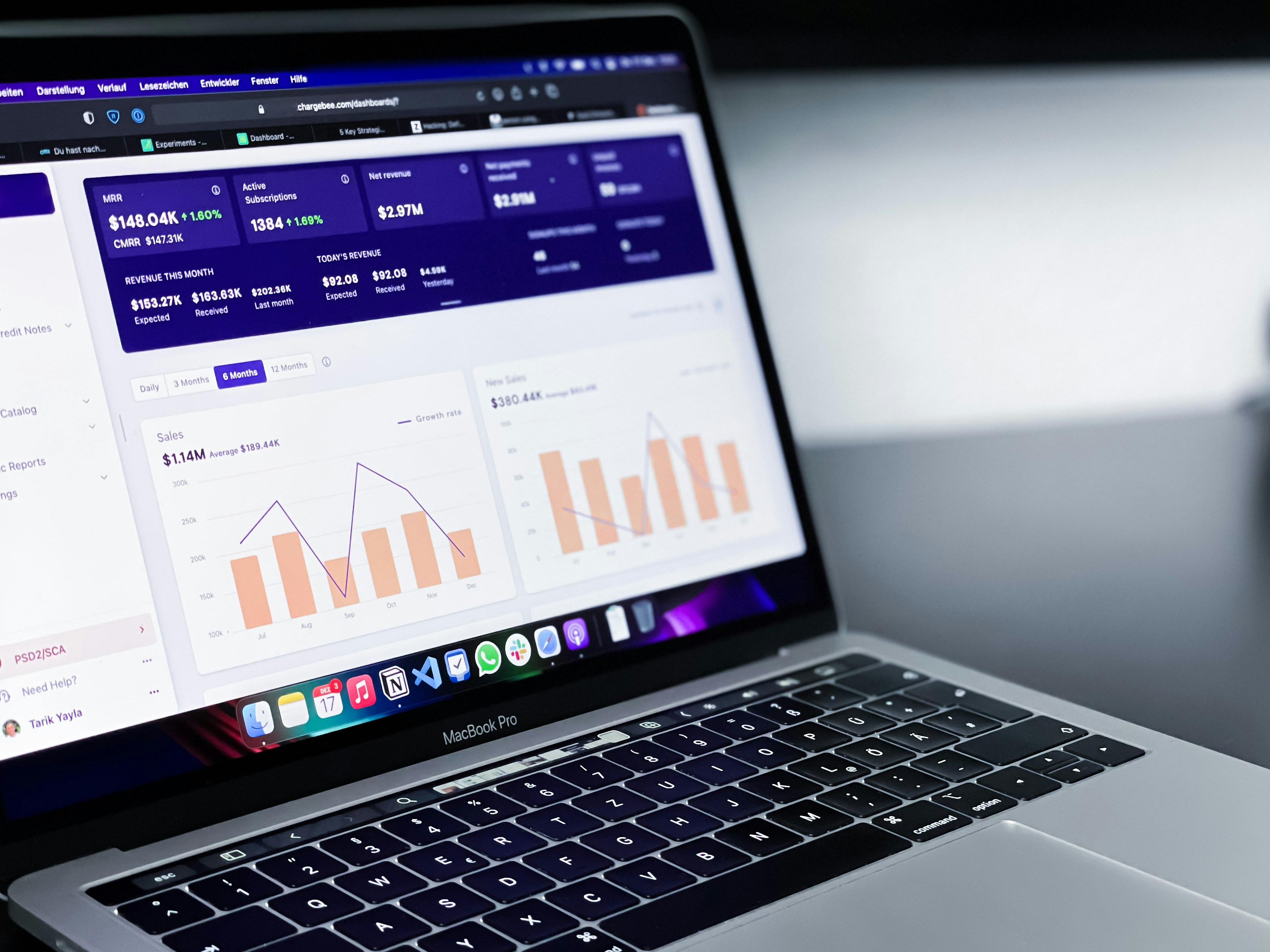
Dashboards are everywhere. Cost dashboards. Lifecycle dashboards. Service performance dashboards. Cloud consumption dashboards. They display information clearly. They summarize trends. They provide visual structure. They are useful.
But dashboards do not reduce exposure. They display it.
Visibility Is Not the Same as Action
A dashboard can show that renewal spend is increasing. It can display lifecycle distribution across the application portfolio. It can highlight vendor concentration. But it does not interpret what that means for the next decision.
When finance asks about renewal exposure this quarter, a dashboard shows numbers. It does not evaluate concentration risk. It does not surface duplication patterns. It does not recommend where scrutiny should be applied.
Dashboards require interpretation. Interpretation requires integration and context.
Exposure Lives in the Gaps
Portfolio exposure often hides between data points. Two systems serve similar capabilities but sit in different business units. A renewal cluster appears manageable until vendor concentration is evaluated. Lifecycle risk seems low until business criticality is layered in.
Dashboards typically present attributes in isolation. Exposure emerges when those attributes intersect. Without structured interpretation across cost, lifecycle, duplication, and ownership, leaders must manually connect the dots.
Consider a group of applications that appear healthy when viewed individually - costs within range, lifecycle status unremarkable, service performance acceptable. The picture changes when evaluated together. Several may support the same capability, rely on the same vendor, renew within the same quarter, or require investment at the same time. One may be business critical while running on technology approaching end of life.
None of those individual data points necessarily signals a problem. The exposure becomes visible through their relationship to one another. This is where AI agents for APM add value.
Agents Interpret Patterns
AI agents for APM do more than display information. They evaluate relationships across portfolio attributes. They surface patterns that require attention. They reduce friction between question and answer.
Instead of showing renewal dates, an agent highlights renewal concentration. Instead of listing applications by lifecycle stage, it surfaces which late-stage systems are business critical. Instead of summarizing cost by vendor, it identifies concentration risk relative to capability dependency.
The distinction is subtle but powerful. Dashboards require leaders to assemble context. Agents surface context directly.
From Reporting to Interrogation
Modern CIOs operate in environments where questions arrive quickly. How exposed are we to this vendor? Where are we funding overlapping capability? What changed in lifecycle distribution this year?
If the answer requires navigating multiple dashboards, decision velocity slows. An agent layer allows leaders to interrogate the portfolio directly. It connects structured data across systems and delivers decision-ready clarity.
This also changes the questions leaders can ask. Instead of requesting another report, they can ask where risk is increasing, which renewals deserve attention, or where consolidation could have the greatest impact. The portfolio becomes something leaders can interrogate rather than simply review.
This is not about replacing dashboards. It is about elevating beyond them. Dashboards inform. AI agents for APM interpret. And interpretation is what reduces exposure.
In complex environments, clarity must match the pace of inquiry. Organizations that move from static reporting to active portfolio interrogation will find that their decision speed improves - and so does their exposure management.